Physical Address
304 North Cardinal St.
Dorchester Center, MA 02124
Physical Address
304 North Cardinal St.
Dorchester Center, MA 02124

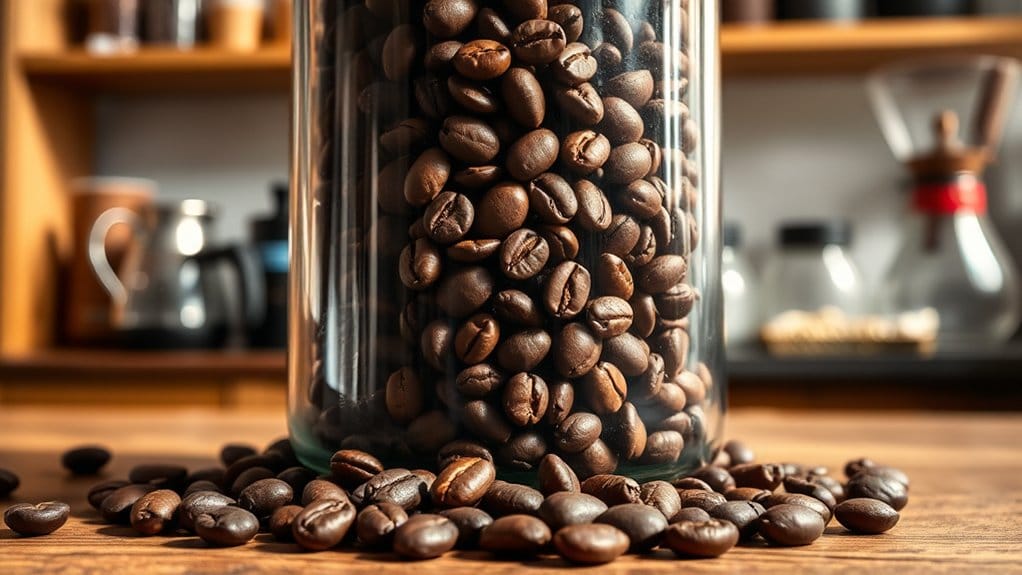
Coffee beans can last quite some time, but here’s the catch! After roasting, their freshness starts to fade quickly. For the best flavor, try to use them within two weeks. Unopened beans can last up to a year if stored right, whereas opened ones should ideally be consumed within a week or two. If your coffee smells musty or tastes flat, it might be time to toss it. Want to know more about keeping those beans fresh?
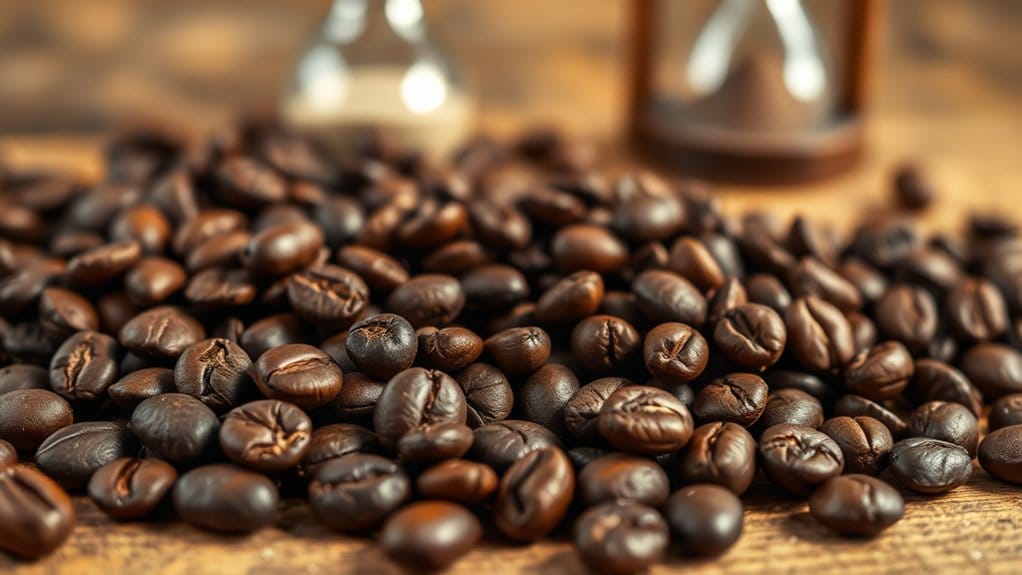
When you roast coffee beans, it’s like unveiling a delightful secret waiting to be revealed. But here’s the catch: freshness doesn’t last forever. Right after roasting, the complex flavors burst into life, but enjoy them soon! Peak flavor develops around 48 hours post-roast. Experts say you should brew your coffee within 4 to 14 days for the best taste and aroma. During this time, keep in mind that coffee beans can lose 15% to 18% of their weight during roasting, primarily due to moisture loss. After two weeks, the magic starts to fade. Beans can still be okay for months, but you’ll notice a drop in quality. Think of it as a once-vibrant painting that’s started to lose color. To maximize freshness, avoid exposure to air, and keep your beans stored right, and you might stretch that freshness window a bit longer. Trust us, you won’t want to miss the good stuff! To maintain that freshness, consider using opaque airtight containers for storage, as they shield beans from light exposure that accelerates staleness.
After you’ve roasted and enjoyed that perfect cup of coffee, how you store your beans can make a big difference in keeping that delightful flavor alive. Aim for a cool, stable temperature between 15°C and 25°C. This keeps dampness in check and prevents your precious beans from going bad. High temperatures can accelerate chemical reactions, leading to a degradation of flavor precursors in your beans. Additionally, storing coffee in an airtight container can further prevent oxidation and maintain freshness.
Humidity is vital too; keep it around 50% to 60%. Too much humidity? Hello, mold! Too little? Your beans dry out like a sad raisin.
Use airtight containers to block out bothersome oxygen and dampness during the preservation of those enchanting aromas. Stable storage humidity is crucial to maintain bean quality over time.
And remember, light is the enemy—store in a dark place to prevent fading those rich flavors. With thoughtful storage, you’ll savor every sip!
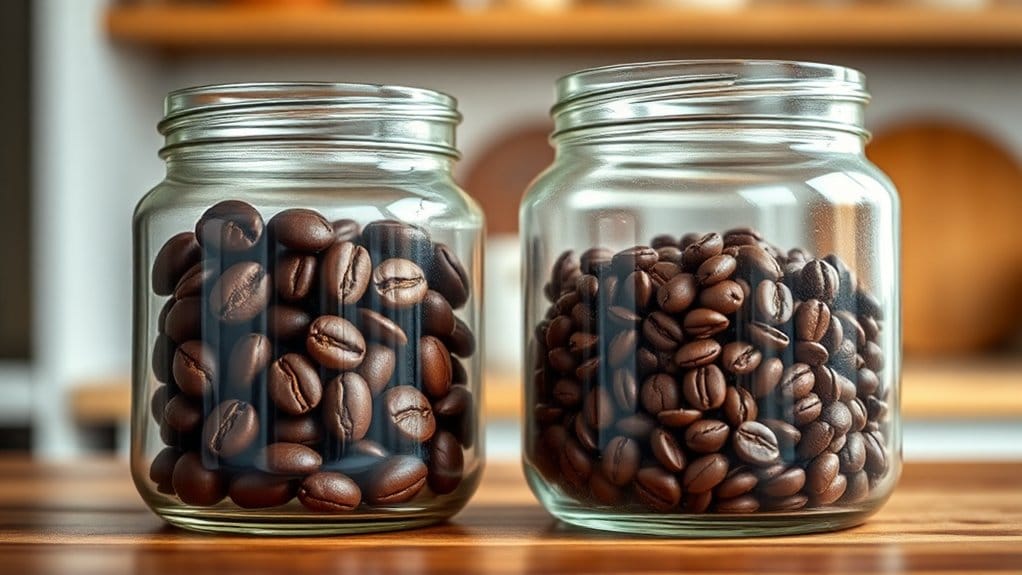
Coffee lovers know that how you store your beans can really change their flavor, and understanding the difference between unopened and opened beans is key. Unopened beans can last up to a year in a vacuum-sealed bag or airtight container, preserving their rich flavor. If you’re lucky enough to have nitrogen-flushed bags, they can keep your coffee fresh even longer! To maintain optimal flavor, it’s important to consume coffee beans within a week or two of opening.
On the flip side, once opened, those beans don’t stand a chance. You’ve got about one week to a month to savor them, depending on how well you seal them up. Opened whole coffee beans stay fresh for 1-3 weeks if stored properly, so if you’ve already cracked the bag, keep them in a cool, dark place. It’s all about enjoying that delightful brew before it fades away!
Different roast levels can dramatically affect your coffee experience, especially regarding shelf life.
Light roasts, with their fruity flavors, are best enjoyed within a month. If you don’t, those delightful aromas might head for the hills!
Medium roasts can last up to a year, giving you some wiggle room to sip leisurely.
Conversely, dark roasts, known for their bold and smoky notes, should likewise be consumed in about a month because oils accelerate spoilage.
Remember, proper storage is key! Keep your beans in a cool, dry place, away from bothersome air and humidity.
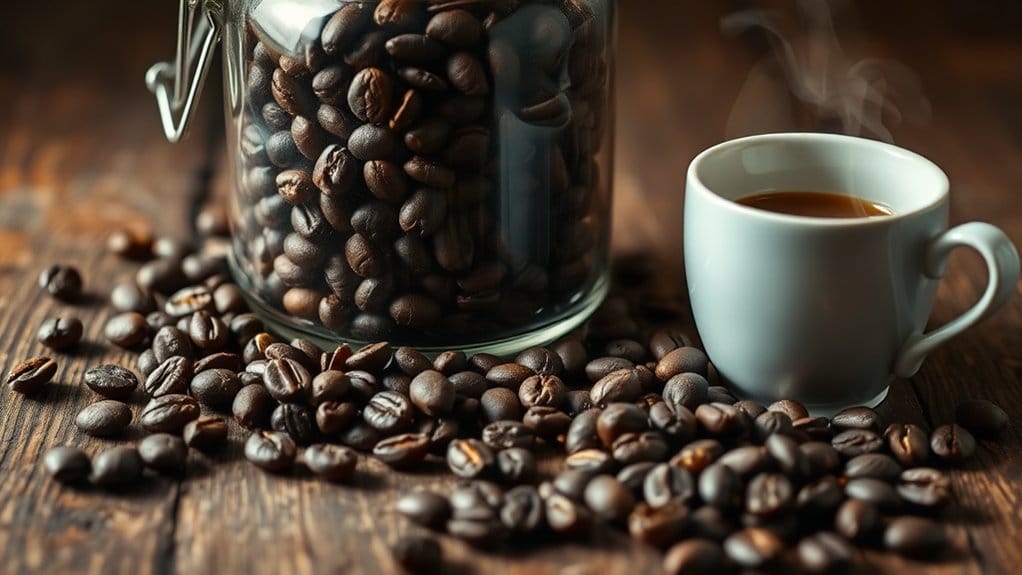
Have you ever brewed a cup of coffee that just didn’t hit the spot? You might be dealing with stale coffee beans.
First, check the aroma—if it’s flat or smells musty, it’s a red flag. Fresh beans should release a lively scent when ground.
Look for visual signs too; faded color or a dry, dusty appearance means your beans aren’t fresh. They might even feel light and crumbly.
During brewing, do you notice no bloom or reduced crema? That’s another hint.
If your coffee tastes weak or has an unpleasant aftertaste, those stale beans are spoiling your morning.
Staying alert to these signs helps keep your coffee game strong! Enjoy every sip of that fresh brew. Additionally, knowing about health benefits of coffee can make you appreciate the value of freshly brewed cups even more.
Yes, you can freeze coffee beans to extend freshness. Just ensure to store them in airtight containers and avoid temperature fluctuations. Use smaller batches for the best flavor, aiming to consume them within six months.
Yes, grind size definitely affects your coffee’s shelf life. Finer grounds expose more surface area to oxygen, accelerating oxidation. Stick to whole beans for longer freshness, and grind just before brewing to preserve flavor.
When disposing of old coffee beans, consider composting them to enrich your garden. On the other hand, use them to create unique gifts or snacks. Avoid landfilling, as it’s not environmentally friendly and can contribute to waste.
Yes, coffee beans can go bad, especially when stored improperly. High dampness levels may lead to mold, whereas stale beans show flat flavors. Always check for signs of spoilage before brewing your coffee.
To tell if coffee beans are fresh, examine their appearance for uniform color, smell for a rich aroma, and check for proper packaging. Remember, fresh beans release carbon dioxide and should bloom when brewed.